
Lesson 7 - Bouncing Ball
3D Animating a bouncing ball
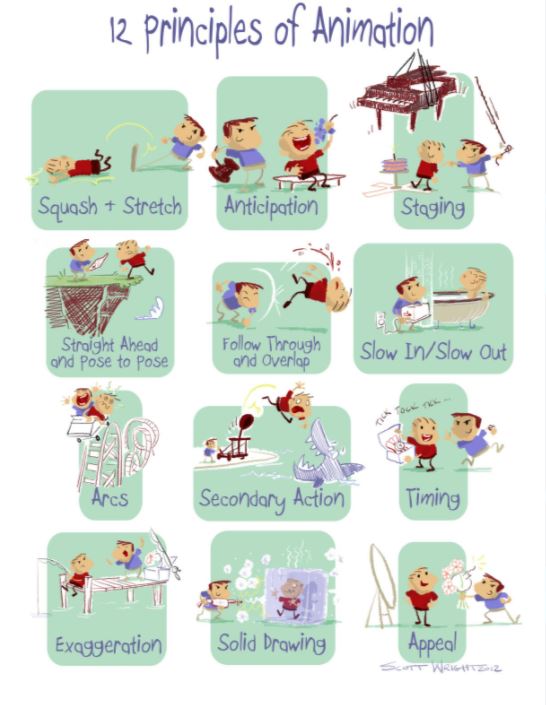
 Kōrero Mai: What are the principles of animation ?
Look at the names of the principles. What do you think they mean?
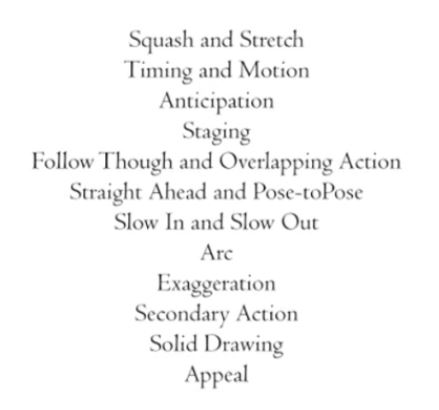
Fact: The 12 basic principles of animation were developed by the ‘old men’ of Walt Disney Studios, amongst them Frank Thomas and Ollie Johnston, during the 1930s.
Why do you think the 12 principles of animation are important for an animator to know about?
Animation history
- Because of that, we have endless of tips and tricks to help us achieve great animations!
- Such as the 12 principles of animation.
- The reason we have these rules is because that's what gives our animation life!
All of these rules have been utilized in every single Disney movie and in any other animated films!
- This is why the characters look so lively and smooth!
- Can you name the first Disney animated movie?
- How do you think it was made back then?
Imagine redrawing a character to make it move… but in a fully length one or two hour long movie…
While nowadays everything is done via a computer…
Everything back then had to be done by just pen and paper!
It took Disney months and even years to to complete their movies.
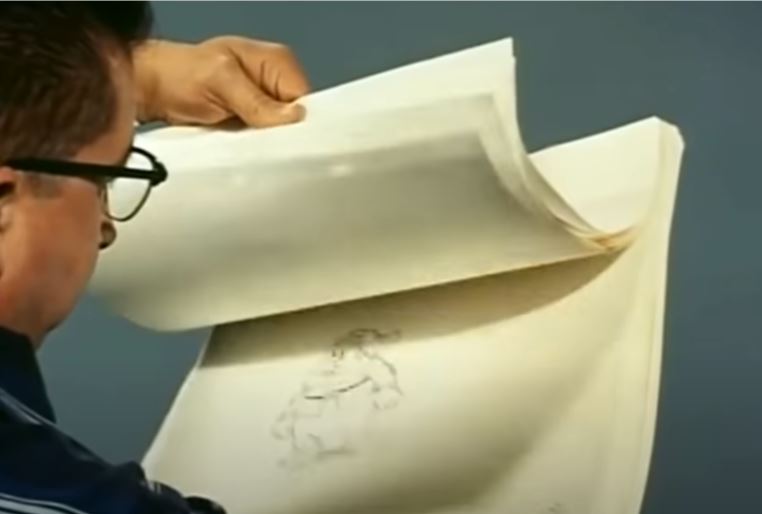
You have to study the movements of everything in order to make perfect animations…
In animations you have to study hard to achieve realistic and believable movements.
How do we study movements…?
By looking at real life!
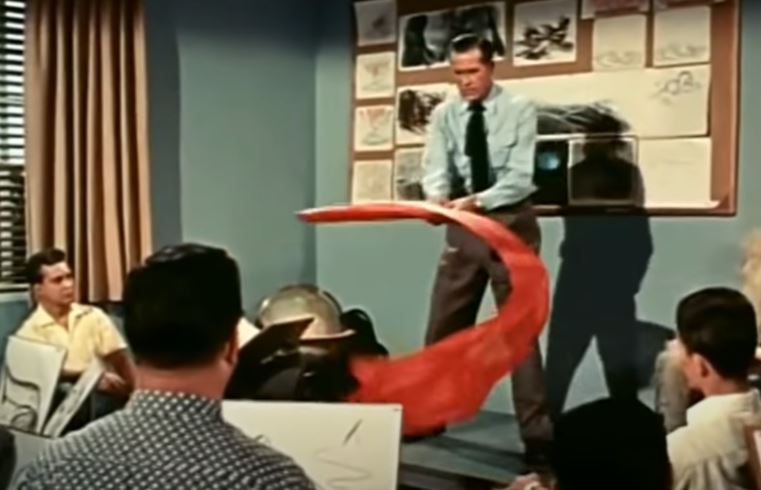
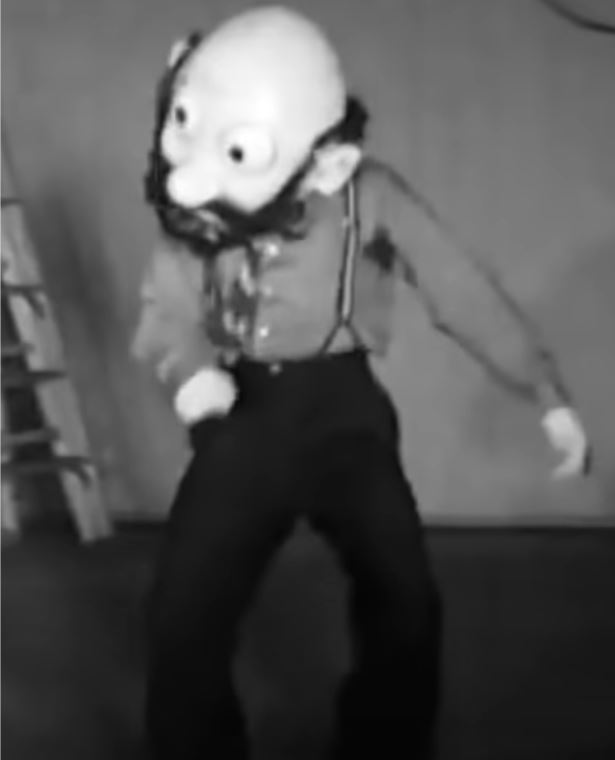
Disney used live footage as a guide to create the perfect movement for their animations.
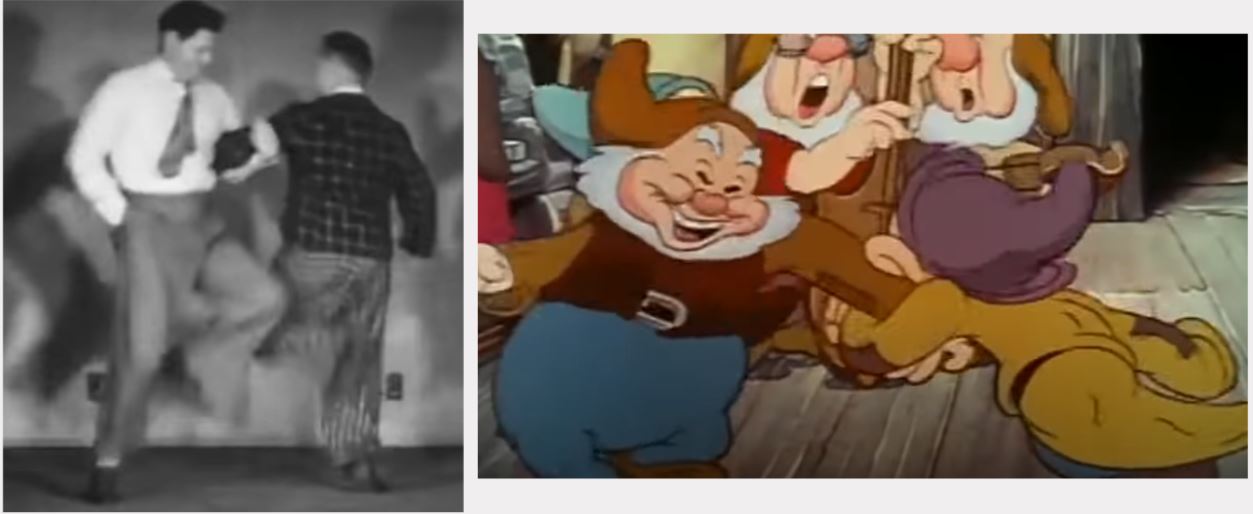
Rotoscoping was very common.
- Rotoscoping is when you have a live footage of a person doing the action and you copy the movements with your drawings frame by frame.
- This is why old 2D Disney movies looked so real.
- It's still used today and even in 3D. (This depends on your animation style.)
Kōrero Mai: What are the principles of animation ?
The first animation exercise any animators learn is called the Bouncing Ball exercise.
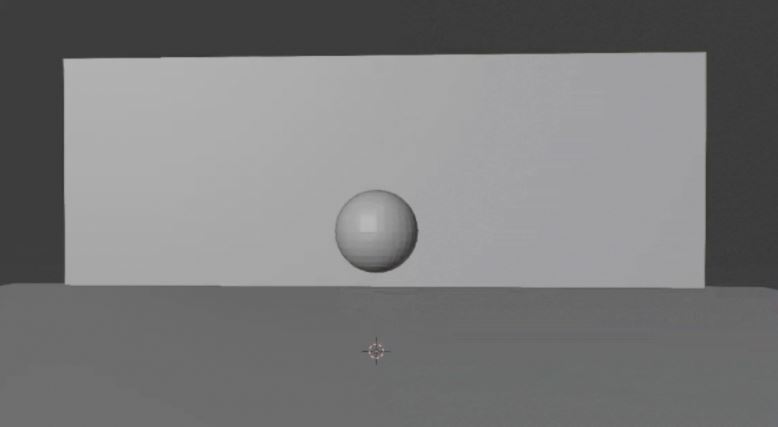
- This exercise teaches you about weight, gravity and speed.
- It sounds and looks simple however, even experienced animators go back to this exercise to train...
- This exercise will help with future animations like body movements!
We have all seen a ball bounce of any kind… tennis ball, basketball, football and so on, but do you know how to convey that in animation?
Because we see things like people moving around or any kinds of movements everyday, it seems very easy.
And to give ourselves even more credit, as soon as there’s something unnatural or wrong in an animation, people who aren’t animators can spot it immediately.

If you have no experience animating and you try to animate a ball bouncing, it would most likely look not realistic.
It can sometimes be hard to convey what your mind thinks of how something should move in an animated form.
Which is why we need to study how something looks in real life before putting that information into animation!
 Kua reri? - Animating with no help.
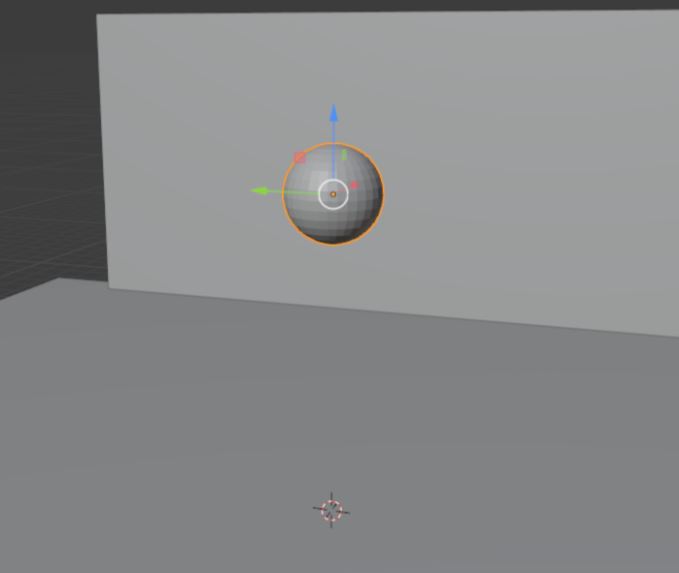
Student Task: Animate a ball bouncing without any help from real life reference.
- For 10 minutes, have a sphere bounce on a flat plane for a few times.
- Do not look for any help how a real ball would bounce yet, as that would defeat the purpose of this task.
- Only after you finished the animation, then you can look at a real ball bouncing and compare it to yours.
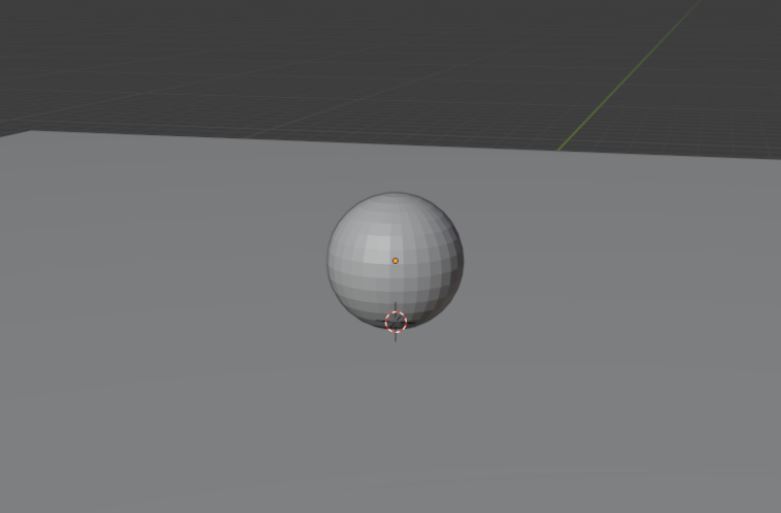
Kua reri? - Time for Blender!
Follow the video at your own pace and if there's anything you don't understand, your teacher should have the answers in the presentation slides.