Lesson 08: Impact of AI
 Kōrero Mai: Recap - What is AI and where can you find it?
What keys ideas about Artificial Intelligence can you remember from last lesson?
How can AI help us?
AI is increasingly integrated into every realm of our lives. From suggesting what books we might like to buy online to powering the virtual assistants that inhabit our phones and smart speakers, some of the applications are more visible than others.
In fact, it is so ingrained you may not even realise it is there!
Yet there are also deep ethical questions about how and when AI should be used, and the impact it can can on society and our environments.
Kōrero Mai: What is the potential impact of AI?
Watch this short TED talk by Anthony Goldbloom
Machine learning isn't just for simple tasks like assessing credit risk and sorting mail anymore -- today, it's capable of far more complex applications, like grading essays and diagnosing diseases. With these advances comes an uneasy question: Will a robot do your job in the future?
Discuss what you think the main impacts of machine learning could be on society and our environments.
Positives? Negatives? Interesting?
What is the potential impact of A.I?
What do you think the main impacts of machine learning could be on society and our environments?
Positives? Negatives? Interesting?
Understanding AI
Kōrero Mai: How does A.I learn?
A.I learns in a number of different ways. It depends on the type of A.I too. However, there is one method they all share in common. Experience.
A.I learns how it should behave and what information to process. This all comes from Experience.
Either human experience or learned experience.
Human Experience
Providing the A.I with information we have already learned as humans. Examples of this would be
- Setting keywords to look for in sentence
- Showing the computer pictures of the colour blue
- Providing a database of weather patterns over the last year

This allows the A.I to quickly learn these specific topics, but doesn’t provide any room for self growth in the future.
Learned Experience
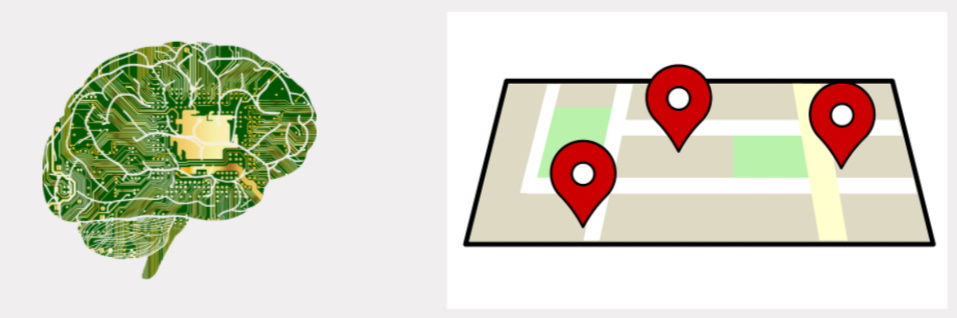
Providing the A.I with information it needs to learn by itself. A common example of this is GPS maps!
Initially the A.I is only told to find the shortest path possible including time and distance. From there we provide the A.I with information such as weather, traffic, time of day. But it’s up to the A.I to figure out how to use that data! It comes up with it’s own algorithms and rules.
Using both types of experiences
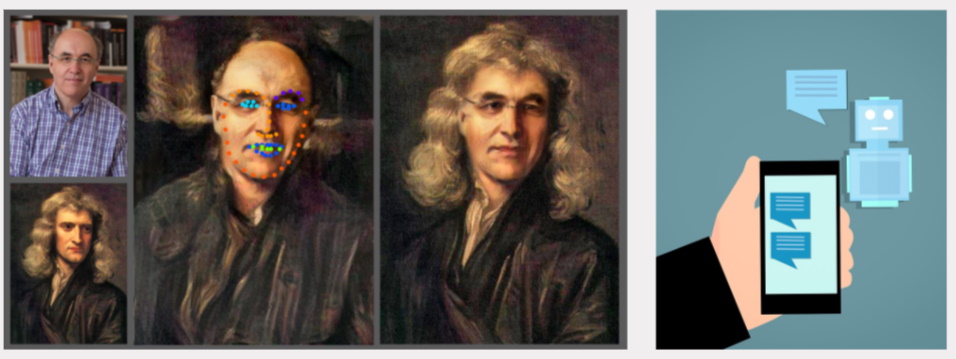
A.I can use both types of experiences too. We can provide it a starting point with human experience, and let learn from there.
Examples of this are:
- Deep fakes
- Chat bots

Using A.I to solve problems that didn’t exist
A.I can be used to solve unique problems too. Once it’s learned how to solve a problem, it holds onto that information like a human. This means it can re-use what it’s learned, over and over again.
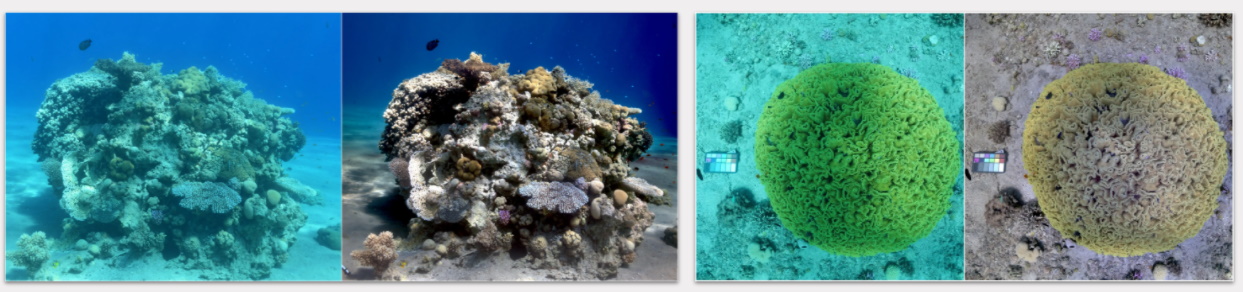 Image credit from: Business Insider - "Sea Thru" algorithms revels true colours underwater
How to program a basic A.I
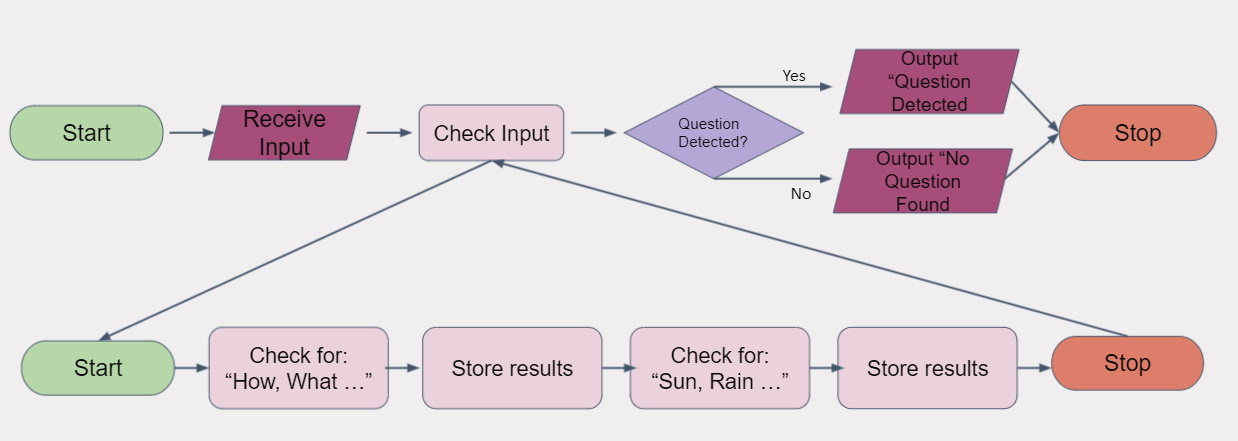
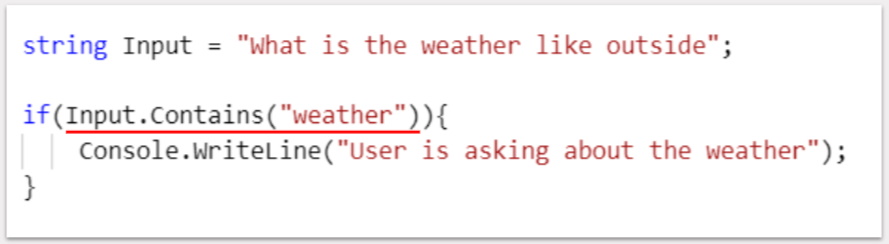
At a basic level, A.I processes information that can be used to output pre-determined messages.
IF statements are great to use when we need the A.I to make these decisions. It can be as simple as the following:
We can search a string for keywords using strName.Contains("Word")
This will simply return true or false.
 Kua reri? - Ready? It's your turn... Construct your own AI
Use the flowchart / algorithm we created in our previous lesson. This will serve as our guidance in creating a digital version of our algorithm.