
Lesson 17: Subsystems of Technological systems
 System - pūnaha
Remember back in Lesson 1 we looked at types of Technological Systems?
Technological systems surround us all the time. They can be:
- Electrical
- Mechanical
- Pneumatic
- Electronic
- Hydraulic
- Digital
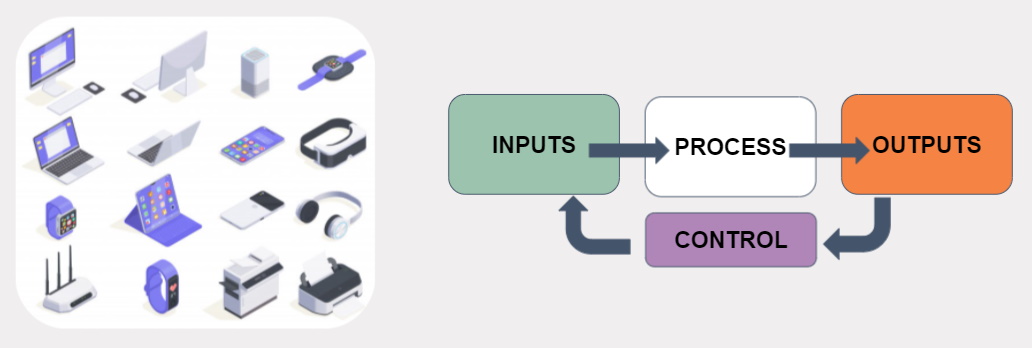
A technological system can be described and explained by breaking them down into subsystems. When we look at all technological systems, they have inputs and outputs. Inputs are transformed into outputs in a controlled manner.
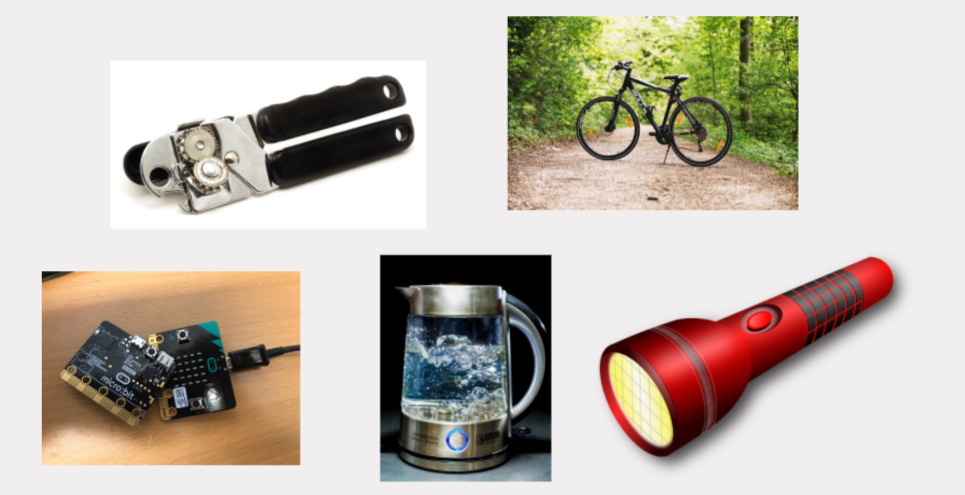
 Kōrero Mai: What are Subsystems?
Look at the systems diagram. What do you think subsystems could be?
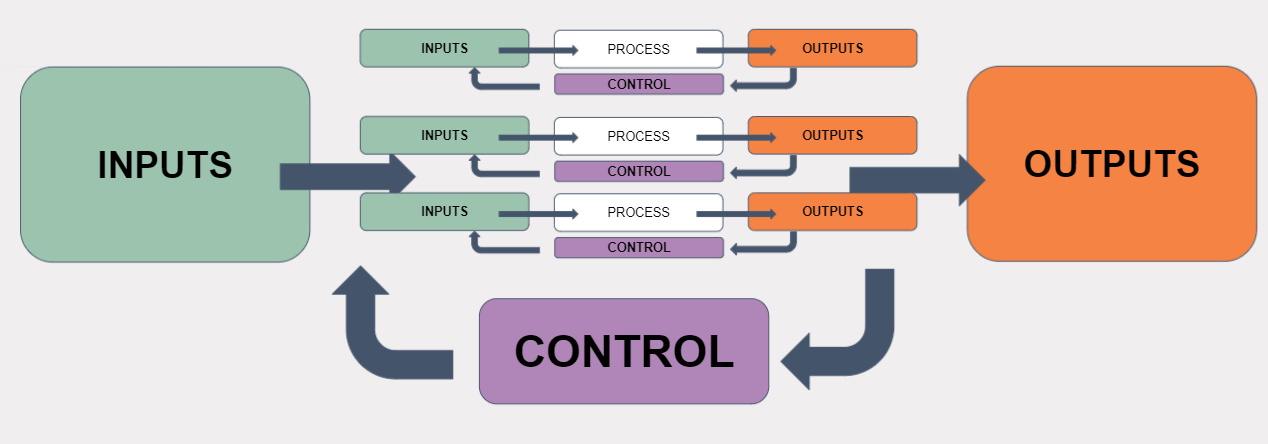
Fact: Subsystems are when parts or components of a technological system can be a system in their own right.
Fact: Subsystems can be mechanical, electrical, electronic, digital, pneumatic, hydraulic, etc. The combine to make one BIG system.
Example of a technological system with subsystems.
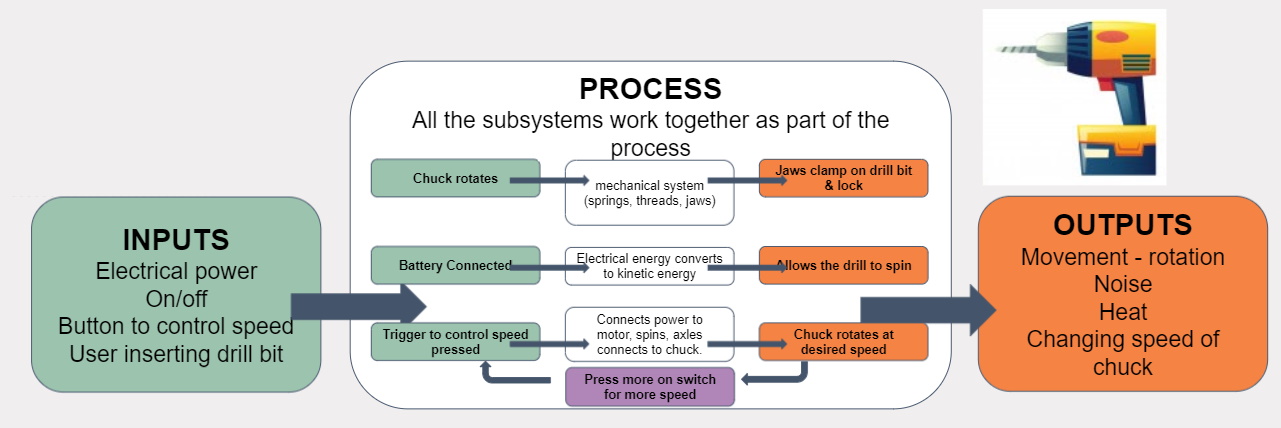
A drill uses more than one subsystem. There are mechanical and electrical. Are there any more subsystems in an electric drill?
Kōrero Mai: What are the subsystems of a computer?
Think about a computer. Discuss...
 Kua reri? - Ready? it's your turn... Subsystems in Technological Systems
Choose a technological system to explore that has subsystems.
Iterative approach to development
What is Iteration?
Iteration is the process of adapting a project as it unfolds. The desired changes are made only when the application goes through a testing process such as debugging your code.
When you debugged your code in earlier projects:
- Did you feel the need to change the messages outputted?
- Maybe change the order in which certain questions were asked?
These are all iterative processes that you did based on feedback when testing! All applications and products go through an iterative process to refine the end product they become.
Kua reri? - Ready? it's your turn... Asking someone to test your project
Iteration is a result of testing your application either by yourself or with peers. Take note of how you or others interact with the application. Find someone who can test your application. This can be a classmate or a sibling. Ask yourself the following questions:
Head back to your program and make some iterative changes to your project based on these notes.
This project is accessible from the Projects tab at the top of the website. Alternatively, Click Here to access the page now.